Virtual Reality · 4 min read
5 Key Benefits and Limitations of Virtual Reality in Property Marketing
Virtual reality in property marketing cuts costs, expands reach, and creates immersive buyer experiences. Explore the key benefits and limitations — and how InReality Solutions can help.
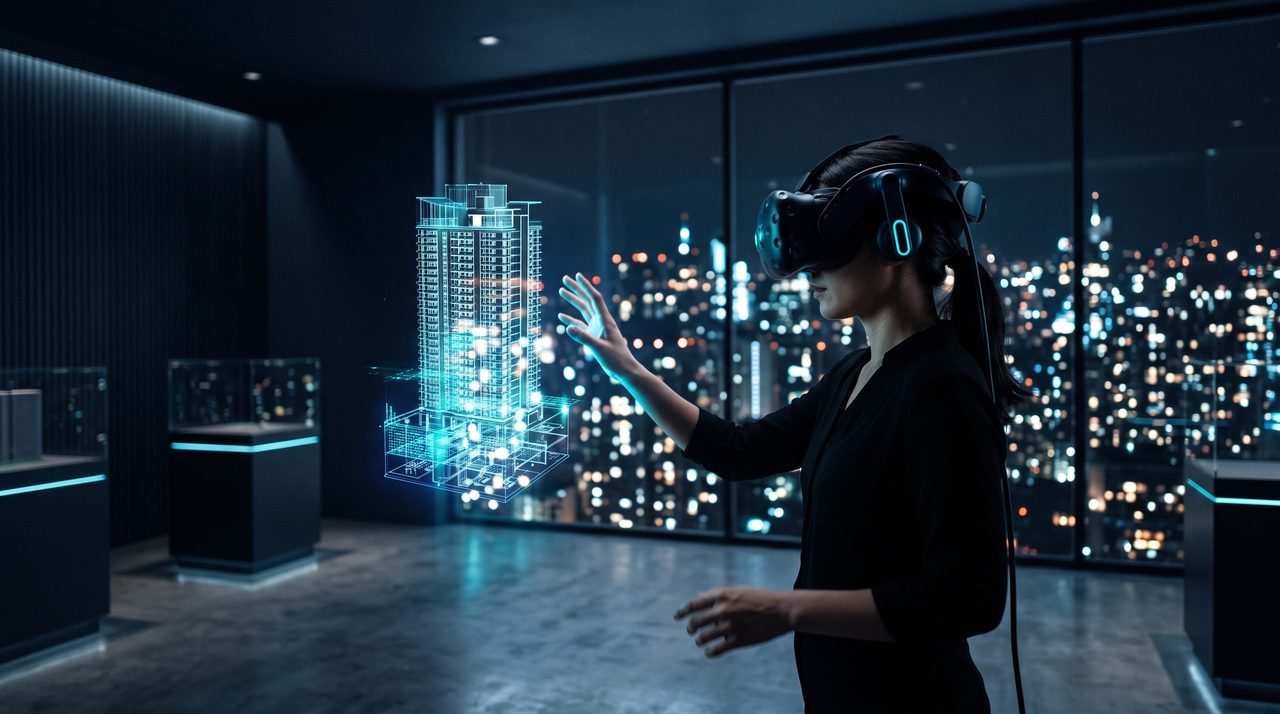
Virtual reality is reshaping how property is sold in Indonesia and across Southeast Asia. Rather than shuttling prospective buyers from site to site, developers can now offer fully immersive, interactive walkthroughs from any location — at any time of day. Studies consistently show that VR-assisted property viewings increase buyer confidence and shorten the decision-making cycle. If you are in the property sector and considering whether VR is worth the investment, the analysis below lays out exactly what you can expect.
How Virtual Reality Strengthens Property Marketing
Consistent, On-Demand Property Presentation
With virtual reality, you record the property once in its optimal condition. From that point on, every client who views it sees the same pristine, well-lit presentation — regardless of the time of day, the weather outside, or which agent is handling the showing. That consistency saves your team considerable time and operational cost across dozens or hundreds of viewings.
Interactive Features That Replace Static Walk-Throughs
A well-built VR experience gives clients a room measurement tool so they can check whether their existing furniture fits a given space. They can experiment with different room configurations, swap furniture placement virtually, and get a clear sense of flow before committing. Lighting simulation lets them see how the living room looks at dawn, how the bedroom feels during afternoon rain, and how ambient street noise registers at night.
Global Reach Without Geographic Barriers
VR property marketing removes geography as a constraint. A buyer based in Singapore, Kuala Lumpur, or Riyadh can explore a Jakarta apartment or a Bali villa in the same depth as a local buyer visiting in person. For Indonesian developers targeting the diaspora market or foreign investors, rather than arranging costly international site visits, you give overseas buyers the confidence to progress further in the sales funnel before they ever step on a plane.
A Stronger Brand Perception and Better Word-of-Mouth
In a market where most competitors still rely on printed brochures and standard photo galleries, using virtual reality positions your brand as genuinely innovative. When a prospective buyer shares their VR experience on social media, that organic promotion costs you nothing and reaches an audience your paid campaigns may never touch.
Lower Long-Term Marketing Costs
The upfront investment in a professional VR production replaces a long list of recurring expenses: printed materials, venue preparation, travel costs, and staff hours spent on repeat physical tours. Once the VR asset exists, the marginal cost of each additional viewing approaches zero.
Limitations of Virtual Reality for Property Marketing
Dependence on Client Technology
For the most immersive VR experience, clients need a compatible headset or at minimum a capable smartphone and a stable internet connection. Not every prospective buyer will have this setup, particularly in secondary cities or among older demographics.
Not All Buyers Prefer Remote Viewings
Some clients, regardless of the quality of the VR experience, want to stand in a room and feel its proportions physically. VR works best as a pre-qualification or shortlisting tool — narrowing down options before an in-person visit — rather than a complete replacement for physical inspection.
High Initial Production Costs
Producing a professional VR walkthrough requires skilled technicians with specialized equipment. The cost is generally more justifiable for high-value properties or large developments where the per-unit marketing cost can be spread across many transactions.
Ongoing Maintenance When the Property Changes
A VR asset captures the property as it was at the time of recording. If the developer completes additional finishing work or changes the interior design scheme, the existing VR experience becomes outdated. Re-recording incurs additional production cost.
Learning Curve for Teams and Clients
Integrating VR into your sales process requires your team to understand how the technology works and how to guide clients through the experience. This is why choosing an experienced, client-focused VR production partner is critical.
Is Virtual Reality an Effective Solution for Indonesian Property Marketing?
For developers and agencies operating in Indonesia's competitive property market, the evidence points clearly toward yes — provided VR is implemented strategically. The practical benefits — reduced per-showing costs, extended market reach, enhanced buyer engagement, and stronger brand positioning — outweigh the limitations for most mid-to-high value developments.
Ready to bring your property listings to life with virtual reality? Explore InReality Solutions' VR experiences or contact our team for a consultation tailored to your property portfolio.
Frequently Asked Questions
How does virtual reality improve property sales conversion rates?
VR increases buyer confidence by allowing clients to explore a property in full detail — including room dimensions, lighting conditions, and spatial flow — before committing to an in-person visit. Buyers who arrive at a physical site after a VR walkthrough are typically further along in the decision process, which shortens the overall sales cycle. Developers using VR also report higher engagement from overseas and out-of-city buyers who would not otherwise progress beyond the inquiry stage.
What is the typical cost of a VR property marketing experience in Indonesia?
Production costs vary depending on the size and complexity of the property, the level of interactivity required, and the provider's expertise. For a mid-range residential project, a professional VR walkthrough typically represents a fraction of a single month's conventional marketing spend. The investment is best evaluated against the number of units in a development and the value of each transaction.
Can VR property tours reach international buyers?
Yes, and this is one of VR's most commercially significant advantages for Indonesian developers. A browser-accessible or headset-compatible VR experience can be shared with buyers anywhere in the world — including the Indonesian diaspora in Singapore, Malaysia, the Middle East, and Europe, as well as foreign investors active in the Bali and Jabodetabek markets.
How long does it take to produce a VR property walkthrough?
A single residential unit with standard interactive features can typically be delivered within one to two weeks of the recording session. Larger developments with multiple unit types, extensive common areas, or custom interactive elements may require three to four weeks. InReality Solutions works with developers to align production schedules with marketing launch dates.
Why choose InReality Solutions for VR property marketing in Indonesia?
InReality Solutions is a Jakarta-based AR and VR specialist with over 125 completed projects and verified recognition from international platforms including Clutch and Goodfirms. The team combines technical production expertise with an understanding of Indonesian property buyers' expectations, delivering VR experiences that are both visually compelling and easy for clients to navigate.

Founder & Managing Director · LinkedIn
Ready to Build Your New Reality?
Tell us about your brand and goals — we'll show you what's possible.