Virtual Reality · 7 min read
How to Choose a VR Development Company in Indonesia: A 2026 Buyer's Guide
If you're searching for a "VR development company," someone has probably already asked for a training simulation, a virtual showroom or a product experience, and you need a vendor who can build it on a real headset, not pitch a render. This guide covers what to check before you sign: the criteria that separate a studio that ships from one that demos well, realistic cost ranges, and whether VR training actually delivers a return once it's live.
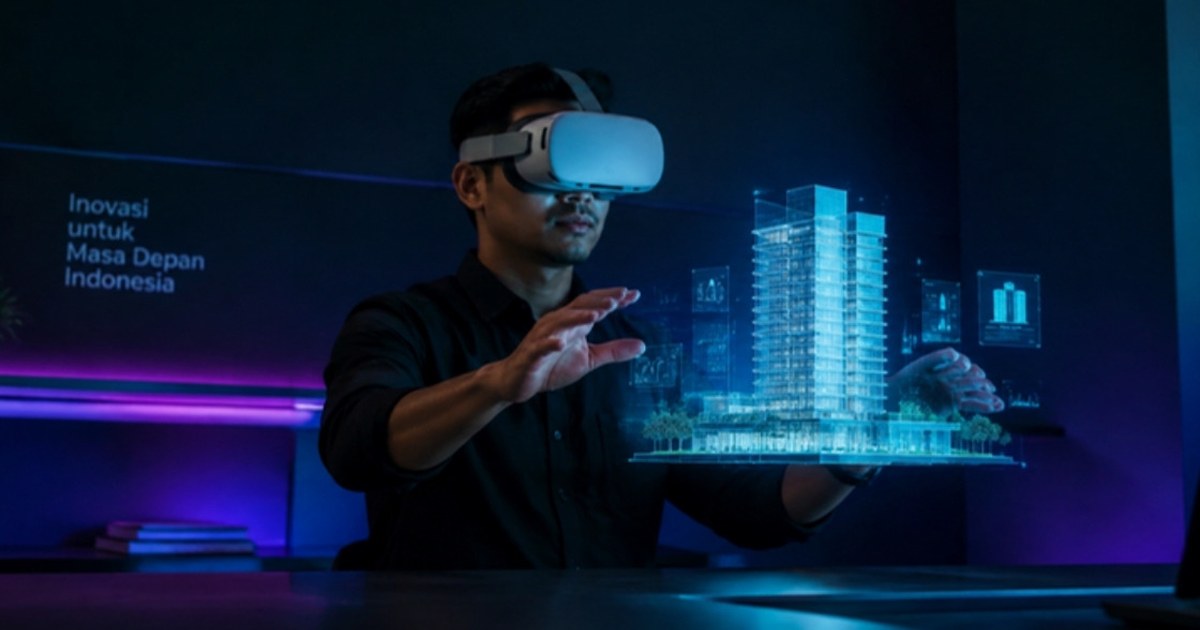
Typing "VR development company" into Google usually means you're past the idea stage — a training simulation, a virtual showroom or a product experience has already been scoped by someone, and now you need a vendor who can actually build it on a headset rather than a studio that only shows renders. VR development spans a wider range of skills than most buyers expect: 3D environment art, interaction scripting, device-specific optimization and, for training builds, instructional design. This guide sets out what to check before signing anything — what the category covers, the questions worth asking in a first call, honest cost ranges, and whether the training results vendors cite actually hold up.
What does a VR development company actually do?
A VR development company builds interactive 3D experiences that run on a headset or PC VR rig — training simulations, virtual product showrooms, configurable showrooms and brand activations for events — then tests and optimizes them for real hardware rather than a preview build. The work spans 3D environment and asset creation, interaction and physics scripting, platform-specific optimization for devices such as Meta Quest, and, for training use cases, instructional design that turns a real procedure into a safe, repeatable practice scenario. That mix of skills is different from the video or graphic design work a general digital agency usually keeps in-house, which is why VR builds are typically handled by a specialist studio or a dedicated internal team rather than folded into a general campaign.
What should you look for in a VR development partner, beyond the demo reel?
Buyer guidance on vendor selection keeps converging on the same signal: shipped, on-device work matters more than a polished reel. A framework for evaluating VR app developers highlights named platform SDKs and live, installed builds as the most reliable filter, with a portfolio of renders or PC-only demos as the clearest warning sign (FrameSixty's VR buyer's guide). The same guidance flags team structure as worth checking directly — a dedicated engineer, 3D artist and QA tester for an enterprise build, rather than one generalist developer covering all three roles — along with a scoped discovery phase before any quote and a named post-launch support model, since VR builds need maintenance when a headset's OS updates.
What questions should you ask before hiring a VR developer?
- Can I see a working build on the actual headset, not a screen recording? This is the fastest way to separate a shipped product from a concept video.
- Which engine and SDK will you use, and why does it fit my target device? A vague answer usually means the technical approach hasn't been scoped yet.
- Who is actually on the project — in-house, or outsourced? This affects both quality control and how fast changes get made after launch.
- What happens when a headset's operating system updates after launch? VR builds are sensitive to OS and SDK updates; a serious vendor has a named support plan, not a shrug.
- Can I speak to a past client in a similar industry? References separate studios that deliver from studios that pitch well.
- How do you scope the project before quoting, and what documents do I get? A discovery phase with a written scope document is standard practice for enterprise VR work.
What are the red flags that a VR vendor isn't ready for your project?
A fixed-price quote offered before any discovery conversation about your use case, audience or target device is the single most common warning sign — enterprise VR projects are typically scoped first, then quoted. Close behind it: a portfolio made entirely of renders or PC demos presented as proof of headset capability, a solo developer proposed for enterprise-scale scope that normally needs a small team, and vague answers about which headset the build actually targets. If the use case is training, add one more check: ask who designs the instructional content itself, since a studio strong on 3D art isn't automatically strong at turning a safety procedure into an effective training scenario.
Does VR training actually pay off?
Independent research on VR training outcomes is more consistent than the marketing claims around it, though most of the detailed figures come from US and global enterprise studies rather than Indonesia specifically. PwC's study on VR soft-skills training found VR learners completed training about four times faster than classroom instruction and reported markedly higher confidence to act on what they'd learned, with VR reaching cost parity with classroom training at roughly 375 learners (PwC, cited via Hololight's 2026 VR training statistics roundup). Walmart has publicly reported cutting a specific training module from eight hours to fifteen minutes after moving it into VR, and a Forrester study commissioned by Meta projected a 219% three-year ROI with payback in under six months for a 10,000-employee organization. Treat the specific percentages as directional rather than a guarantee for your own procedures and workforce size — the mechanism (safe, repeatable practice without real-world risk or downtime) is what actually transfers across contexts, not any single number.
What does VR development cost in Indonesia?
InReality Solutions quotes VR work per project rather than against a fixed published price, because training simulations, virtual showrooms and simple product-visualization builds have genuinely different scope; across all our services, including VR, the minimum engagement is Rp 15 juta and standard builds typically deliver in two to three weeks (InReality Solutions pricing). For a sense of scale, published global cost breakdowns put a VR product-visualization app around $15,000–$40,000 and a full enterprise training simulation around $100,000–$300,000 or more, largely because training builds need instructional design and multi-scenario logic that a single showroom walkthrough doesn't (DesignRush's 2026 VR development cost breakdown). These are global, US-centric figures, not Indonesian rate cards — local development costs are typically lower, which is exactly why getting a scoped quote from a vendor who works in Indonesia, rather than anchoring on an overseas number, is worth doing before you budget.
How do you verify what a vendor tells you?
- Ask for a live demo on the actual headset, not a recorded walkthrough, and try it yourself if you can.
- Check independent review platforms such as Clutch or GoodFirms, where reviews are tied to verified projects rather than testimonials a vendor selected itself.
- Ask for a reference client in your own industry or a comparable one, and actually call them.
- Confirm which headset and OS version the build is tested against — this is a concrete, checkable fact, unlike a general claim of "cross-platform support."
If you've already scoped a specific use case, InReality Solutions builds VR product experiences, virtual showrooms and training simulations for B2B brands across Indonesia, with real projects in our portfolio rather than renders. For sector-specific examples of what a finished training build looks like, see our walkthroughs on VR safety training for manufacturing and construction and VR training for property sales teams, or our broader overview of AR/VR for training and learning. For what a VR project costs, and how we scope a quote, see our pricing page.
Frequently Asked Questions
What's the difference between a VR development company and a VR training content provider?
A VR development company builds the software itself — the 3D environment, the interaction logic and the device build for Quest, Pico or PC VR. A training content provider sometimes just licenses a pre-made course inside someone else's VR platform. If your use case is specific to your own equipment, floor plan or sales process, you generally need the former, not an off-the-shelf course.
How long does it take to build a VR training simulation?
A single-scenario pilot typically runs eight to twelve weeks end to end: discovery and scripting, 3D asset and environment build, interaction scripting, then device testing and revisions. Multi-module programs or systems supporting many simultaneous trainees take longer, closer to the three-to-six-month range reported for mid-market enterprise VR apps.
Can one company handle both the VR headset build and the training content?
Many can, but confirm it directly rather than assuming. Ask who writes the instructional content, who builds the 3D environment and interaction logic, and who tests on-device — some studios outsource the instructional-design side without saying so, which matters if your procedures need a subject-matter expert's input.
Is Meta Quest the only headset I need to support?
For most Indonesian enterprise deployments, yes in practice — Meta holds the large majority of VR hardware share, which is why most training and showroom builds target Quest first. Still confirm explicitly with your vendor which headset the build is tested on, since adding a second platform later typically adds real development overhead rather than working automatically.
What's a realistic minimum budget for a VR pilot project in Indonesia?
InReality Solutions sets a minimum engagement of Rp 15 juta across all services, with VR training and experience builds quoted per scope rather than off a fixed starting price. Treat any number you see online, including global cost breakdowns, as a reference point to confirm against your specific scenario, device count and number of environments.

Founder & Managing Director · LinkedIn
Ready to Build Your New Reality?
Tell us about your brand and goals — we'll show you what's possible.